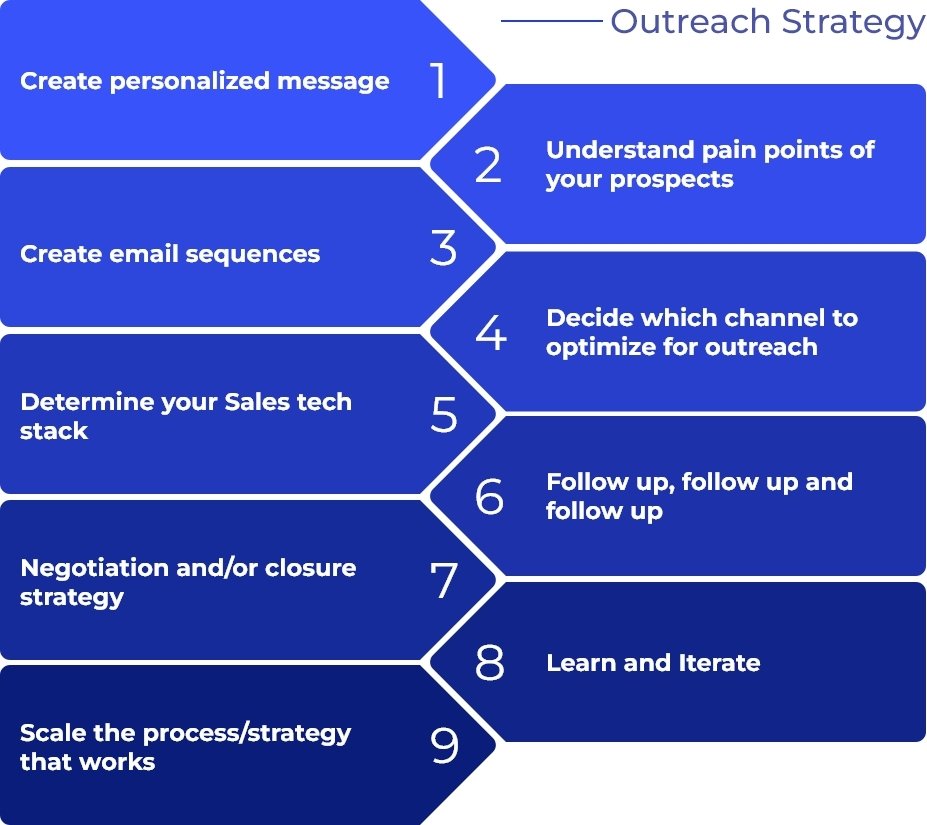
Forget the dusty playbooks and the "spray and pray" myths. In today's dynamic market, mastering Outbound Sales Development Tactics isn't just an option—it's a critical lever for consistent pipeline growth. This isn't about spamming prospects; it's about precision, personalization, and persistence. When executed with strategic intelligence and a human touch, outbound sales empowers your team to actively shape your future, generate immediate opportunities, and connect with your absolute best-fit customers, often before they even realize they need you.
At a Glance: Your Outbound Sales Power-Up Kit
- Proactive Growth: Outbound sales puts you in control, generating opportunities on your terms rather than waiting for them.
- Precision Targeting: Identify and reach your Ideal Customer Profile (ICP) with laser-like accuracy, ensuring every interaction counts.
- Omnichannel Impact: Combine emails, calls, social media, and more into cohesive sequences for maximum reach and engagement.
- Personalization Pays: Generic messages fall flat. Tailor your outreach to resonate deeply with individual prospects and their specific pain points.
- Value-First Approach: Shift from pitching to helping, offering insights and solutions before asking for a meeting.
- Data-Driven Optimization: Continuously measure key metrics, learn from what works (and what doesn't), and refine your strategy.
- Essential Toolkit: Leverage CRMs, sales engagement platforms, and data enrichment tools to scale effectively.
Understanding the Engine: What Outbound Sales Really Is (and Isn't)
Think of outbound sales as the proactive arm of your revenue generation strategy. Unlike inbound, where leads come to you (through content, SEO, etc.), outbound means your team initiates contact. This typically falls to dedicated Sales Development Reps (SDRs) or Business Development Reps (BDRs) who are masters of early-stage heavy lifting: identifying prospects, crafting compelling outreach, and booking initial meetings. Account Executives (AEs) then take these qualified leads, conduct demos, and ultimately close deals. This division of labor allows each role to specialize, creating a more efficient and effective sales machine.
Outbound isn't just about cold calls, though they remain a powerful tool. It's about a coordinated, multi-channel approach designed to cut through the noise, initiate meaningful conversations, and drive immediate pipeline growth, especially crucial in B2B environments with longer sales cycles.
Why Outbound Still Reigns (When Done Right)
In an age where everyone talks about inbound marketing, some mistakenly believe outbound is a relic. Far from it. When executed strategically, outbound offers distinct advantages:
- Proactive Opportunity Generation: You don't just wait for the phone to ring or an email to land. Outbound allows you to build momentum and fill your pipeline on your terms. This is particularly vital for companies in competitive markets or those introducing innovative solutions that prospects might not be actively searching for yet. It's about creating demand, not just capturing existing demand.
- Laser-Focused Targeting: Outbound gives you unparalleled control over who you reach. You can precisely target companies based on industry, size, location, technology stack, and specific job titles. This ensures that every ounce of effort is directed towards your Ideal Customer Profile (ICP), leading to higher relevance and conversion rates.
- Rapid Learning & Iteration: Because outbound involves direct, often immediate, interaction, it provides a fast feedback loop. You quickly learn what messaging resonates, what objections arise, and what channels perform best. This agility allows for rapid adjustments to your campaigns, optimizing performance far quicker than many other strategies.
- Scalability & Predictability: When structured with clear processes and the right tools, outbound sales is highly repeatable. It's a system you can scale, adding reps and territories while maintaining consistent results, rather than relying on individual "superstar" closers. This control helps in forecasting revenue and managing growth.
- Skill Development for Future Leaders: Outbound sales development is an exceptional training ground. SDRs learn crucial skills like resilience, objection handling, active listening, and concise communication—skills that are foundational for any future sales or leadership role.
The Minefield: Common Outbound Challenges
Despite its power, outbound isn't without its hurdles. Understanding these challenges is the first step to overcoming them:
- High Rejection & Burnout: Let's be frank: cold outreach often means hearing "no" or, more frequently, silence. This can be emotionally taxing for reps, leading to burnout if not managed with empathy, proper training, and a supportive culture.
- Poor Data Quality: Your outreach is only as good as your data. Inaccurate or outdated lists mean wasted effort, frustrated reps, and a damaged brand reputation. It's like trying to hit a moving target with a blurry scope.
- Robotic, Generic Messaging: Prospects are bombarded daily. Generic, templated messages that lack personalization or perceived value are immediately ignored. Over-reliance on rigid scripts kills authenticity and effectiveness.
- Scalable Personalization: Here's the paradox: outbound requires volume, but volume without personalization is ineffective. Finding the right balance—personalizing at scale—is a constant challenge that requires smart tools and processes.
- "Ad Blindness" & Stale Tactics: What worked last year, or even last quarter, might not work today. Prospects are increasingly blind to traditional cold outreach. Strategies must continuously evolve to cut through the noise and capture attention.
- Brand Reputation Risk: Spammy, low-quality outreach doesn't just fail to convert; it actively harms your brand. A single poorly executed campaign can erode trust and make future efforts even harder.
Building Your Outbound Engine: A Step-by-Step Blueprint
To truly excel at outbound, you need a robust, repeatable strategy. Here's a blueprint for success:
1. Define Your Ideal Customer Profile (ICP)
Before you dial a number or draft an email, know who you're trying to reach. Your ICP isn't just a demographic; it's a deep understanding of the companies and individuals who gain the most value from your product or service.
- Company Level: What industries? What company size (revenue, employee count)? What geographic locations? What specific tech stack do they use?
- Persona Level: What job titles are you targeting? What are their daily responsibilities? What are their biggest pain points, challenges, and aspirations? How does your solution directly address these?
This profile isn't static; it should be dynamic, continuously refined with market insights and customer feedback. It's the North Star for all your pipeline generation efforts.
2. Source Clean, Targeted Data Lists
Your ICP is useless without high-quality data. Invest in tools and processes to build lists that are fresh, accurate, and relevant.
- Discovery Tools: LinkedIn Sales Navigator is invaluable for filtering by specific criteria.
- Data Providers: Tools like Apollo, ZoomInfo, or SalesIntel provide verified contact information (emails, phone numbers).
- Data Enrichment: Platforms like Clay or Clearbit can fill in missing details, providing richer context for personalization.
- Intent Data: Tools like Bombora track digital behavior to signal when a company is actively researching solutions like yours, helping you time your outreach perfectly.
Always double-check emails, validate phone numbers, and ensure your data is as current as possible. Bad data is a pipeline killer.
3. Craft Multi-Touch Sequences (The Omnichannel Approach)
Prospects live across multiple channels. A coordinated, multi-touch sequence ensures you're engaging them where they are. This isn't about hitting them repeatedly with the same message, but delivering a consistent, value-driven narrative across different mediums.
- Channel Mix: Combine emails, LinkedIn connection requests and messages, cold calls, voicemails, and even retargeting ads.
- Strategic Timing: Don't bombard them. Space out your touches to avoid annoyance while maintaining momentum. A typical sequence might span 10-14 days. For example:
- Day 1: Personalized introductory email.
- Day 3: LinkedIn connection request with a brief, relevant note.
- Day 5: Cold call attempt (with a voicemail if no answer).
- Day 7: Follow-up email, perhaps sharing a relevant piece of content.
- Day 9: Another cold call attempt.
- Day 12: "Breakup" email or final value-add touch.
This rhythmic approach significantly boosts engagement rates compared to single-channel efforts.
4. Personalize Your Message (Beyond "Hi [First Name]")
True personalization goes far beyond a name merge tag. It means demonstrating that you've done your homework and understand their specific world.
- Hyper-Relevant Openers: Start with a quick, specific mention related to their role, company, recent news, or a shared connection. E.g., "Saw your company recently raised funding, congrats!" or "Noticed you're using [Competitor Tool], which often presents challenges with X..."
- Problem-Centric: Clearly articulate a common pain point they likely face, and briefly hint at how you solve it. Avoid jargon.
- Concise Solution: Explain your solution in terms of benefit, not features. How does it make their job easier or better?
- Soft Call to Action (CTA): Avoid aggressive demands. Aim for a low-friction "micro-commitment." E.g., "Open to a quick 15-minute chat to explore if this might be relevant?" or "Does this problem resonate with you at all?"
Personalize subject lines, opening lines, product descriptions, and even case studies to make each message feel tailor-made.
5. Lead with Value (Not Just a Pitch)
In a crowded inbox, the most effective messages don't pitch; they provide value. Your initial goal isn't to sell, but to initiate a conversation and offer something genuinely useful.
- Thought Leadership: Share exclusive content (white papers, industry reports, relevant blog posts) that addresses their pain points.
- Practical Resources: Offer templates, checklists, or free tools.
- Expert Insights: Reframe a sales meeting as a "strategy session" or "audit" where you provide actionable advice, even if they don't buy your product.
- Guided Free Trials: Offer a personalized walkthrough of your product's capabilities as they relate to their specific challenges.
A/B test different value propositions to see what resonates most with your target audience. Sometimes a direct pitch works best; often, a value-first approach builds trust more effectively.
6. Master Objection Handling (Prepare, Practice, Adapt)
Objections are inevitable. The key is to anticipate them, prepare thoughtful responses, and empower your reps with the confidence to navigate them gracefully.
- Common Objections: Categorize typical pushbacks: "It's too expensive," "I'm not interested," "Send me more information," "I'm happy with our current solution," "No time right now."
- Standard Operating Procedures (SOPs): Develop clear, concise responses for each objection. This isn't about scripting robots, but providing a framework.
- Active Listening: Train reps to listen beyond the words. Is "too expensive" really about price, or is it about perceived value or budget constraints?
- Role-Playing & Coaching: Regular training sessions and role-playing help reps internalize responses and adapt them to real-time conversations. Provide ongoing feedback and support.
7. Follow Up Like a Pro (Consistency is Key)
Many sales opportunities are lost due to a lack of diligent follow-up. Don't stop after one or two touches. Strategic follow-ups significantly boost conversion rates.
- Vary Your Value: Each follow-up should offer new value or a fresh perspective. Reference a new case study, share a testimonial, invite them to a relevant webinar, or offer a free consultation.
- Different Channels: Don't just send more emails. If they haven't replied to emails, try a LinkedIn message, a voicemail, or even a targeted ad.
- Persistence, Not Annoyance: There's a fine line. Be persistent, but always respectful of their time and attention. Your follow-ups should aim to educate or provide value, not just badger them.
- AI for Personalization at Scale: Leverage AI tools to help analyze past interactions and suggest highly personalized follow-up messages, making consistency easier to manage.
This methodical approach to pipeline generation ensures no valuable lead falls through the cracks.
8. Measure, Adapt, Repeat (The Optimization Loop)
Outbound sales isn't a "set it and forget it" strategy. It's a continuous cycle of measurement, analysis, and optimization.
- Key Performance Indicators (KPIs): Track metrics like email open rates, click-through rates, reply rates, call connect rates, meetings booked, and lead-to-opportunity conversion rates.
- Weekly Reviews: Conduct weekly team meetings to review data, identify trends, and discuss what's working (and what's not).
- A/B Testing: Continuously test different elements of your outreach: subject lines, call openers, email body copy, CTA phrasing, sequence timing, and channel mix.
- Share Insights: Foster a culture of learning where reps share wins, challenges, and new tactics. This collective intelligence rapidly improves overall team performance.
Channel Deep Dive: Where to Reach Your Prospects
Your multi-touch sequence needs channels. Here are the primary avenues for outbound sales development:
Cold Calling: The Direct Approach
Despite common apprehension, the phone remains one of the most powerful tools for immediate connection. It allows for real-time conversation, objection handling, and rapport building that other channels can't replicate. Success hinges on a strong opener, active listening, and a clear understanding of your value proposition. Tools exist to streamline dialing and call management, freeing reps to focus on conversation quality.
Cold Email: The Digital Workhorse
Email is the most scalable channel. It allows for detailed messaging, attachment of resources, and asynchronous communication. The key is personalization, brevity, and a compelling subject line that demands attention. Effective cold email campaigns rely heavily on well-segmented lists and rigorously tested sequences.
Social Selling: Building Bridges on LinkedIn & Beyond
Platforms like LinkedIn are goldmines for B2B outbound. Social selling involves more than just sending connection requests; it's about engaging with prospects' content, providing value in comments, and then moving to direct messages. This approach builds rapport and establishes credibility before any formal pitch, leading to warmer conversations.
Paid Digital & Account-Based Ads: Surgical Strikes
For high-value accounts, consider paid digital advertising. This includes display ads, social media ads, and, most effectively, account-based ads that target specific companies or personas with highly tailored messages. When combined with direct outreach, ABM strategies create a cohesive and highly visible approach, often accelerating deal cycles.
Event & Webinar Outreach: Capitalizing on Intent
Engaging with prospects at industry events (virtual or in-person) or webinars provides a natural conversation starter. Following up with personalized messages that reference shared experiences or specific topics discussed can dramatically increase reply rates. This is about leveraging existing interest to open new doors.
Referral Systems: The Power of Warm Introductions
The warmest leads often come from referrals. Building a systematic process to encourage current customers, partners, or even warm prospects to provide introductions is an incredibly effective, yet often underutilized, outbound tactic. A strong referral program can dramatically shorten sales cycles and increase close rates, becoming a cornerstone of pipeline generation.
Your Outbound Toolkit: Essential Technologies & Support
Effective outbound isn't just about grit; it's about smart leverage. The right tools and infrastructure amplify your efforts.
- CRM & Data Enrichment Tools: A robust CRM (e.g., Salesforce, HubSpot) is the central nervous system, managing all prospect interactions. Integrate it with enrichment tools (Clearbit, ZoomInfo, Apollo, Clay) to automatically fill in data gaps, ensuring your reps always have the most comprehensive information available.
- Sales Engagement Platforms (SEPs): Tools like Outreach, Salesloft, Groove, or Apollo are non-negotiable. They automate repetitive tasks, build multi-channel sequences, track engagement metrics (opens, clicks, replies), and ensure consistency while allowing for granular personalization. They are the engine of scalable outbound efforts.
- Analytics & A/B Testing: Many SEPs have built-in analytics. Utilize these, or dedicated tools, to continuously test subject lines, call openers, email formats, sequence timing, and calls to action. Data-driven decisions are the only way to refine your playbook.
- Scheduling & Cold Calling Software: Streamline meeting booking with tools like Calendly or Chili Piper. For cold calling, integrate with platforms like RingCentral or Zoom Phone for efficient dialing, logging, and call recording (for coaching purposes).
- SDR Enablement: Tools are just one part. Provide SDRs with clear daily metrics, consistent coaching from experienced leaders, strong alignment with Account Executives for seamless handoffs, and access to resources that reduce grunt work and empower them to focus on high-value conversations.
- RevOps Integration: A well-implemented Revenue Operations (RevOps) setup connects your CRM, sales tools, data sources, and reporting. This ensures accurate insights, better lead routing, strong handoffs between SDRs and AEs, and cleaner forecasting. It's the operational backbone that makes outbound strategies truly scalable and efficient. This integration is crucial for understanding the true ROI of your pipeline generation efforts.
The Scorecard: Key Metrics for Outbound Success
What gets measured, gets managed. Tracking the right KPIs allows you to optimize your outbound strategy continuously.
- Pipeline & Lead Generation:
- New contacts added per rep (daily/weekly)
- Qualified leads generated
- Conversion rate from lead to meeting
- Engagement Rates:
- Email open rates, click-through rates, reply rates
- Call connect rates, conversations started
- LinkedIn message response rates
- Sales Cycle & Conversion:
- Number of qualified leads moved into the pipeline
- Percentage of leads meeting qualification criteria (e.g., BANT, CHAMP)
- Average time from first meeting to closed deal for outbound-sourced leads
- Team Activity & Efficiency:
- Meetings booked per SDR per week
- Dials per day, emails sent per sequence
- Pipeline coverage (how much pipeline do you have relative to your target)
- ROI & Revenue Impact:
- Cost per opportunity created
- Pipeline generated per rep
- Win rate from outbound-sourced leads
- Revenue closed relative to outbound expense (the ultimate measure of effectiveness)
Putting It All Together: Your Outbound Strategy Template
A solid outbound strategy isn't a secret; it's a well-documented process. Here’s a framework for yours:
- Target Audience Definition: A clear, concise one-pager detailing your ICP (industry, company size, geography, tech stack, job titles, key pain points). Use visual aids!
- Data Sourcing & Management: Document your data sources (e.g., Apollo, LinkedIn Sales Navigator), who is responsible for sourcing, data hygiene protocols, and refresh frequency.
- Outreach Sequences: Design your default multi-channel sequence, including the timing between touches, the channel mix, and specific personalization points for each step.
- Messaging Assets: Create a living library of proven call openers, email templates (intro, follow-up, breakup), LinkedIn message scripts, and voicemail prompts. Encourage team contributions and iterative improvements.
- Lead Qualification Criteria: Clearly define what constitutes a qualified lead (e.g., BANT: Budget, Authority, Need, Timeline; or CHAMP: Challenges, Authority, Money, Prioritization). Include key questions reps must ask and deal-breakers.
- Measurement & Feedback Loop: Detail the key KPIs to track (email/call rates, meetings, conversions). Establish a defined weekly or bi-weekly team review process to share insights, update tactics, and celebrate wins. This continuous refinement is what drives high-performing pipeline generation.
Real-World Wisdom & Future-Proofing Your Outbound
The most effective outbound sales teams aren't just following a checklist; they're constantly learning and adapting.
- The Power of Feedback Loops: Consistent feedback and iteration are paramount. Teams that regularly share wins, tweak outreach based on real-world responses, and rigorously review metrics see compounding results. What one rep learns can benefit the entire team overnight.
- Multichannel Harmony is Key: People reside on multiple platforms. A coordinated mix of channels—an email, followed by a LinkedIn comment, a call, and perhaps a personalized voicemail—often triples reply rates compared to relying on a single channel. It creates a ubiquitous, yet non-intrusive, presence.
- Sales & Marketing Alignment is Non-Negotiable: Outbound reaches its peak effectiveness when marketing, sales, and operations collaborate seamlessly. Sharing data, synchronizing messaging, and aligning timing ensures a unified, frictionless prospect experience and significantly improved conversion rates without needing to increase headcount. It's about a shared vision for pipeline generation and revenue growth.
Your Next Steps: Building a Proactive Sales Future
Mastering Outbound Sales Development Tactics is an ongoing journey of learning, refinement, and human connection. It's about empowering your team with the strategies, tools, and mindset to proactively create opportunities, build genuine relationships, and consistently drive revenue growth.
Start by defining your ideal customer with surgical precision. Arm your reps with clean data and a diverse arsenal of multi-channel sequences. Prioritize personalization and always lead with value. And most importantly, commit to a culture of continuous measurement and adaptation. The market is always changing, but with a robust and agile outbound strategy, your team will always be ahead, confidently shaping your sales future, one meaningful conversation at a time.