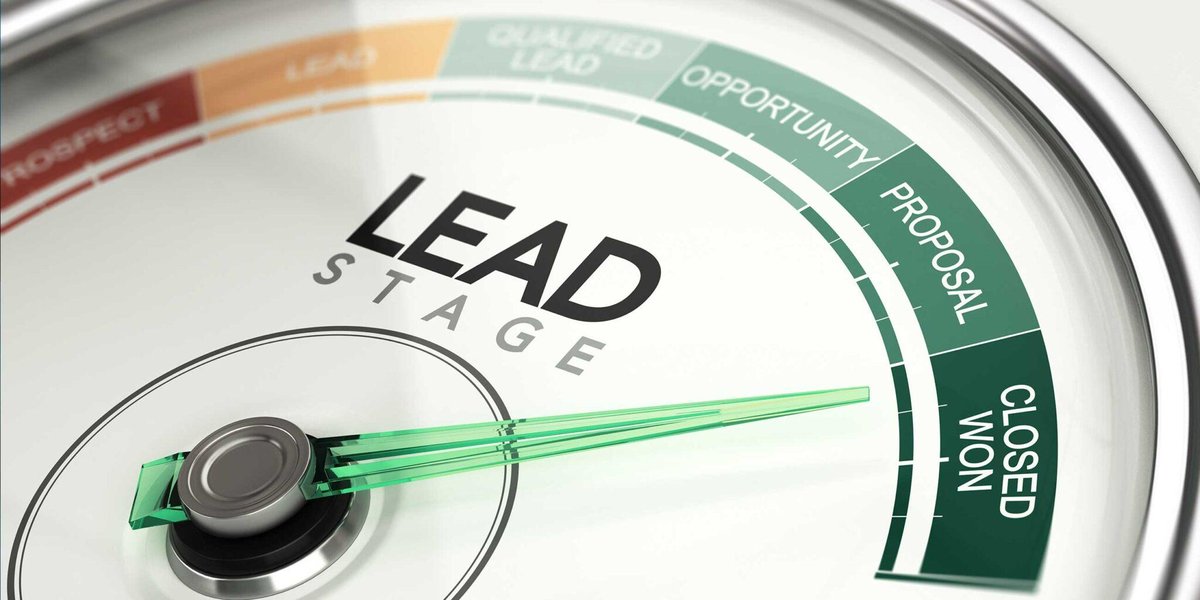
In today's competitive landscape, simply generating leads isn't enough. Businesses need a predictable, consistent flow of high-quality prospects ready to convert into paying customers. This is the essence of pipeline generation – a strategic, proactive process designed to identify, engage, and guide promising leads through every stage of their buying journey, ultimately driving consistent revenue growth. It's about building a robust engine that fuels your sales team with prospects who are truly ready to buy.
Forget the old days of chasing sheer volume; modern pipeline generation shifts the focus to quality and intent. By attracting leads with a higher readiness to purchase, you empower your sales team, reduce wasted effort, and achieve more predictable, scalable growth. Understanding this fundamental shift is crucial for any business aiming to thrive. To truly build a strong foundation, you'll want to Learn pipeline generation fundamentals.
The Strategic Imperative: Why Quality Trumps Quantity
The traditional approach often emphasized casting a wide net, hoping to catch a few good leads. Pipeline generation, however, is a deliberate, targeted strategy. It provides a holistic view of the customer journey, clarifies which customer types are most valuable, and significantly enhances communication between sales and marketing. The result? Better visibility into performance, reliable insights for personalized campaigns, and vastly improved sales forecasting – all contributing to a healthier, more predictable revenue stream.
This approach isn't just a tweak; it's a fundamental change in how businesses approach growth. It acknowledges that a smaller number of highly qualified leads can yield significantly more opportunities and revenue than a deluge of unqualified contacts.
Crafting Your Foundation: Knowing Your Ideal Customer and Building the Funnel
The journey to effective pipeline generation begins with a deep understanding of who you're trying to reach. Identifying your Ideal Customer Profile (ICP) means delving into demographics, buying behaviors, specific pain points, and ambitious goals. Creating precise buyer personas based on this data, and regularly updating them through customer interviews and sales feedback, ensures your efforts are always aimed at the right target.
Once you know your ideal customer, you need a clear path for them to follow. Building a meaningful sales funnel structured around the buyer's journey—Awareness, Consideration, and Decision—with tailored content for each stage, is paramount. This structure helps you identify where leads might drop off and allows you to optimize conversion rates at every step.
Fueling Your Pipeline: Inbound Strategies for Attracting High-Quality Leads
Attracting prospects who are actively seeking solutions is a cornerstone of effective pipeline generation. Your website isn't just a digital brochure; it's a top-performing digital salesperson. Optimizing it with compelling Calls-to-Action (CTAs), user-friendly lead capture forms, interactive content, and chatbots helps guide visitors toward conversion. Gated resources like whitepapers or industry reports offer valuable exchanges for contact information, turning passive browsers into engaged leads.
An effective content strategy is another vital engine for inbound success. By creating content that nurtures, qualifies, and guides leads through every stage—from SEO-driven blog posts addressing initial pain points to customer success stories demonstrating proven value—you build trust and authority. Tracking engagement metrics like time on page and downloads helps you refine what resonates most with your audience. To really master drawing prospects to you, it's essential to Boost your inbound lead generation.
Proactive Engagement: Mastering Outbound Sales and Outreach
While inbound strategies bring prospects to you, outbound tactics enable you to proactively reach out to potential customers who fit your ICP. Moving beyond generic cold emails, personal and unexpected outreach can dramatically increase engagement. This might involve crafting 30-second Loom videos tailored to a prospect's specific goals, or referencing recent company news or LinkedIn activity to show you've done your homework. These non-scalable, personalized touches stand out in a crowded inbox.
Enhancing sales engagement programs means equipping your sales team with the best tools and training. This includes internal hubs with readily available sales decks, objection-handling videos, product updates, and customer-win stories. Regular skill-building workshops and sharing top-performing outreach examples create a culture of continuous improvement, making your team more effective at connecting with and converting prospects. For a deep dive into directly engaging prospects, you'll want to Master outbound sales tactics.
Nurturing and Managing Your Flow: Keeping Prospects Engaged and Moving Forward
Once a lead is in your pipeline, the work isn't over—it's just beginning. A robust lead nurturing system is essential to keep prospects engaged and moving toward a purchase. This involves setting up automated workflows via email campaigns, retargeting ads, and personalized content that consistently provides value. Focus on addressing specific pain points and integrate lead scoring to prioritize "hot" leads, ensuring your sales team focuses their efforts where they'll have the most impact.
Effective pipeline management requires the right tools. CRM systems like Salesforce, HubSpot, or Pipedrive are invaluable for centralizing lead data, tracking interactions, and managing the entire sales journey. Marketing automation tools streamline campaign execution and follow-ups, while lead scoring platforms help identify buying intent. Overcoming weak or inconsistent lead nurturing and ensuring you have the right tools in place are critical for sustained success. To perfect this ongoing process, explore Pipeline Management and Nurturing.
The Power of Synergy: Aligning Teams and Optimizing with Data
One of the biggest hurdles in pipeline generation is often internal: misalignment between sales and marketing. When these teams operate in silos, the entire pipeline suffers. The solution lies in establishing shared revenue goals, defining clear MQL-to-SQL (Marketing Qualified Lead to Sales Qualified Lead) handoff processes, and fostering a culture of collaboration. Using tools like Slack or CRM platforms for real-time visibility and holding regular alignment meetings helps review lead quality and campaign performance, ensuring everyone is working towards the same objective.
Leveraging data for optimization is non-negotiable. Use robust marketing attribution tools to track anonymous visitors across multiple touchpoints, match conversion details with marketing origins, and enrich CRM data to demonstrate marketing's direct impact on pipeline and revenue. Analyze where leads drop off, which sources bring high-value deals, and continuously refine your strategies accordingly. Investing in paid marketing, using retargeting campaigns and custom audiences, can also boost visibility and fill the pipeline faster. For a truly cohesive strategy, you need to Align sales and marketing for growth.
Continuous Improvement: Measure, Iterate, and Adapt
Your pipeline is a living system, not a static entity. It requires constant analysis, iteration, and improvement. Set clear Key Performance Indicators (KPIs) such as lead-to-opportunity conversion rates, Customer Acquisition Cost (CAC), pipeline velocity, and average deal size. Regularly measure these metrics to identify what's working and what isn't, and be prepared to adapt to changing market conditions. This means updating buyer personas quarterly, monitoring competitor messaging, and maintaining a flexible content calendar.
Embracing asynchronous selling, where buyers have the flexibility to engage on their own terms (e.g., quick demo recaps via video, tailored proposals without a live meeting), also caters to modern buyer preferences and can significantly reduce no-shows. By treating your pipeline as a dynamic system that demands continuous attention and optimization, you build a resilient, revenue-generating engine that can weather any storm.
Building Your Future Pipeline
Pipeline generation is more than a buzzword; it's the blueprint for predictable, scalable growth. By focusing on quality over volume, deeply understanding your ideal customer, implementing smart inbound and outbound strategies, nurturing your leads effectively, and fostering seamless alignment between sales and marketing, you can build a robust, consistent flow of prospects. Embrace the data, stay agile, and commit to continuous improvement, and you'll not only meet your revenue goals but consistently exceed them. The future of your business depends on it.